


Lights for High Ceilings
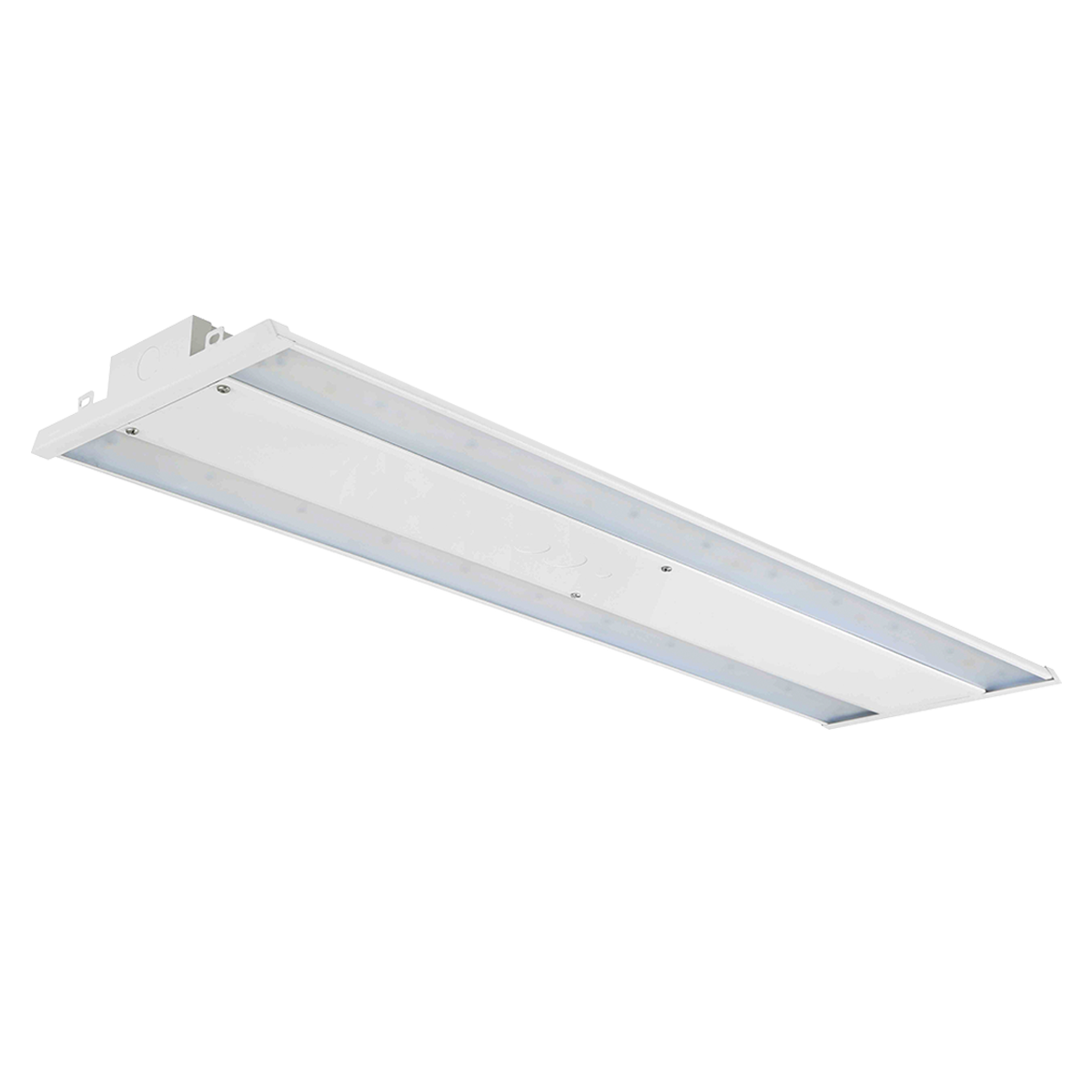
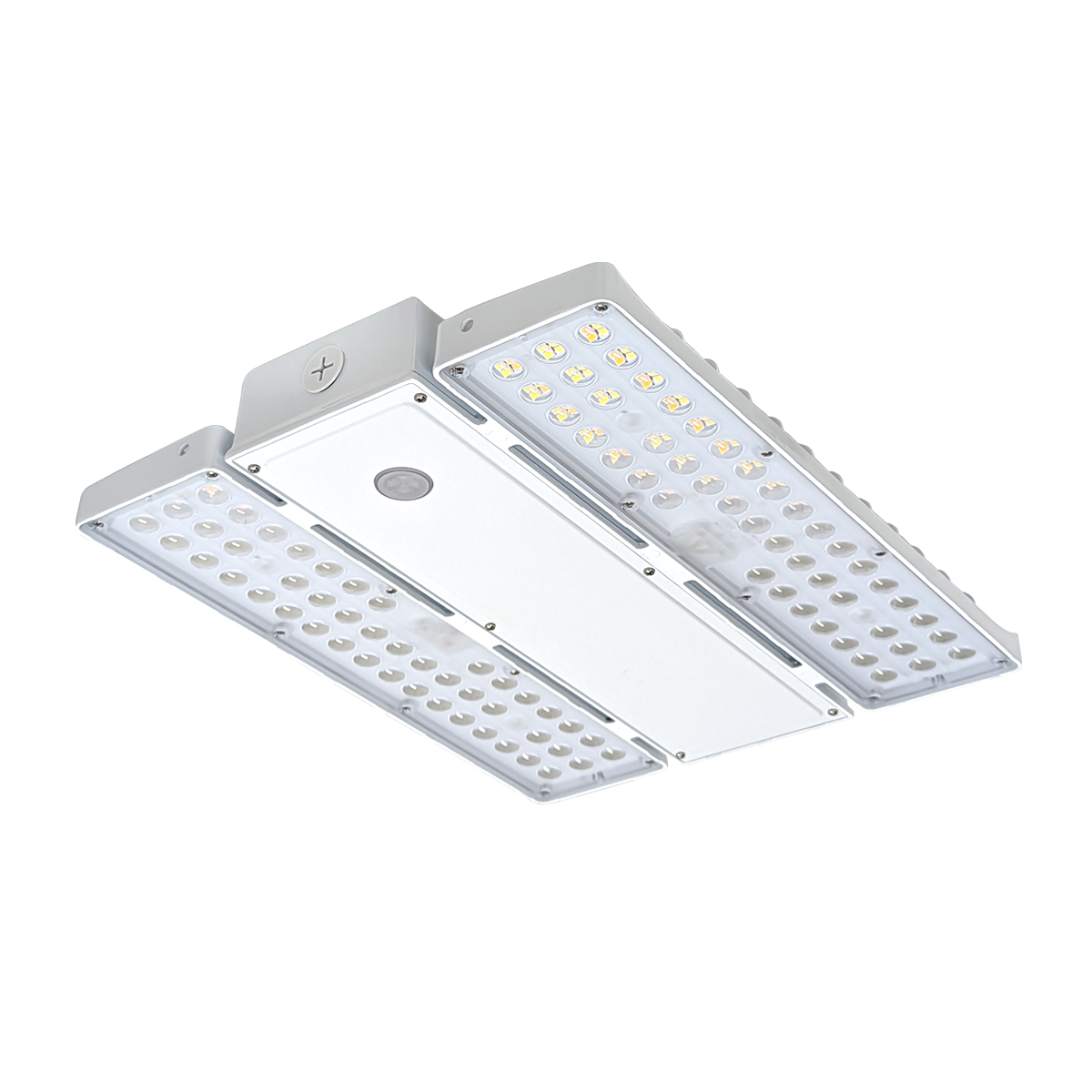
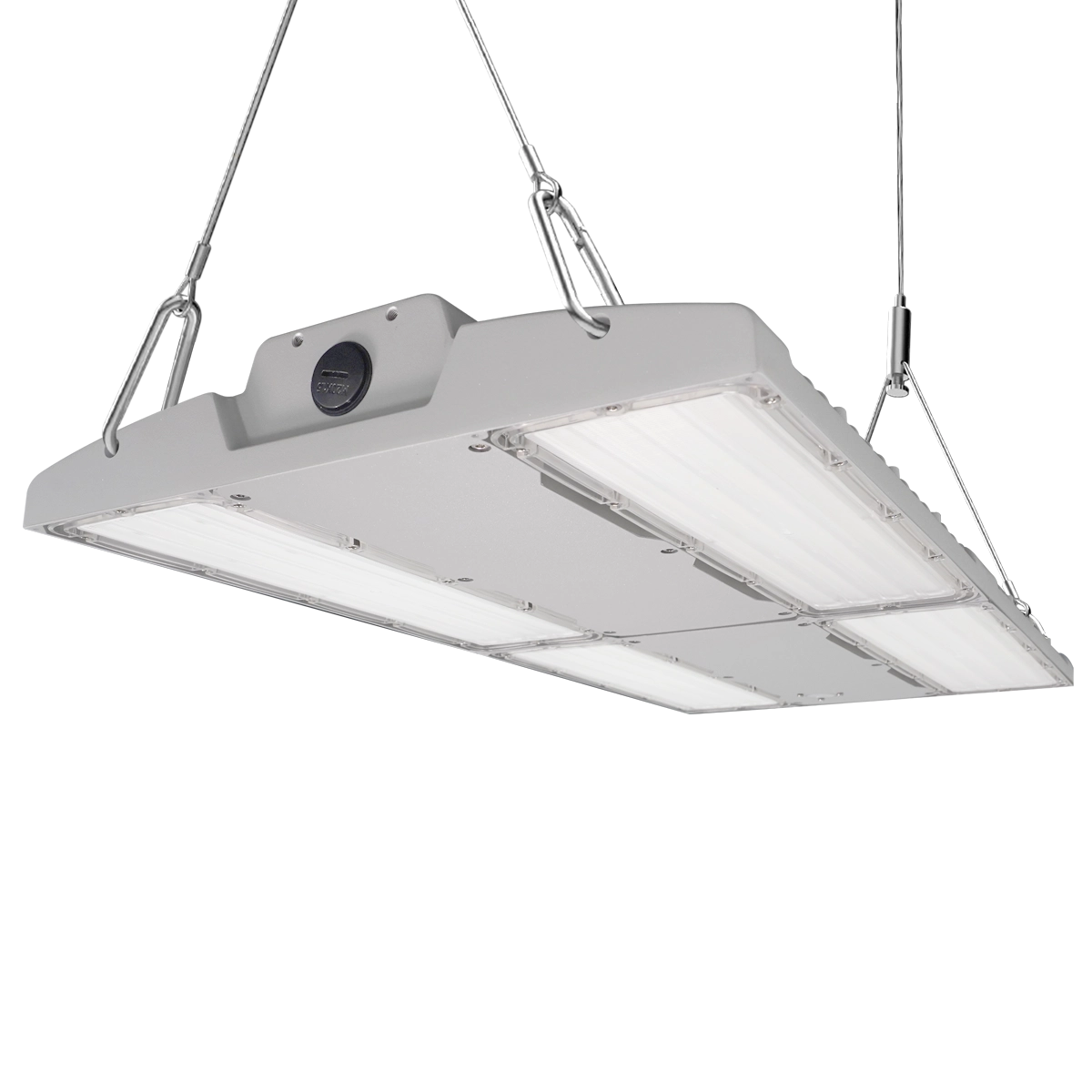
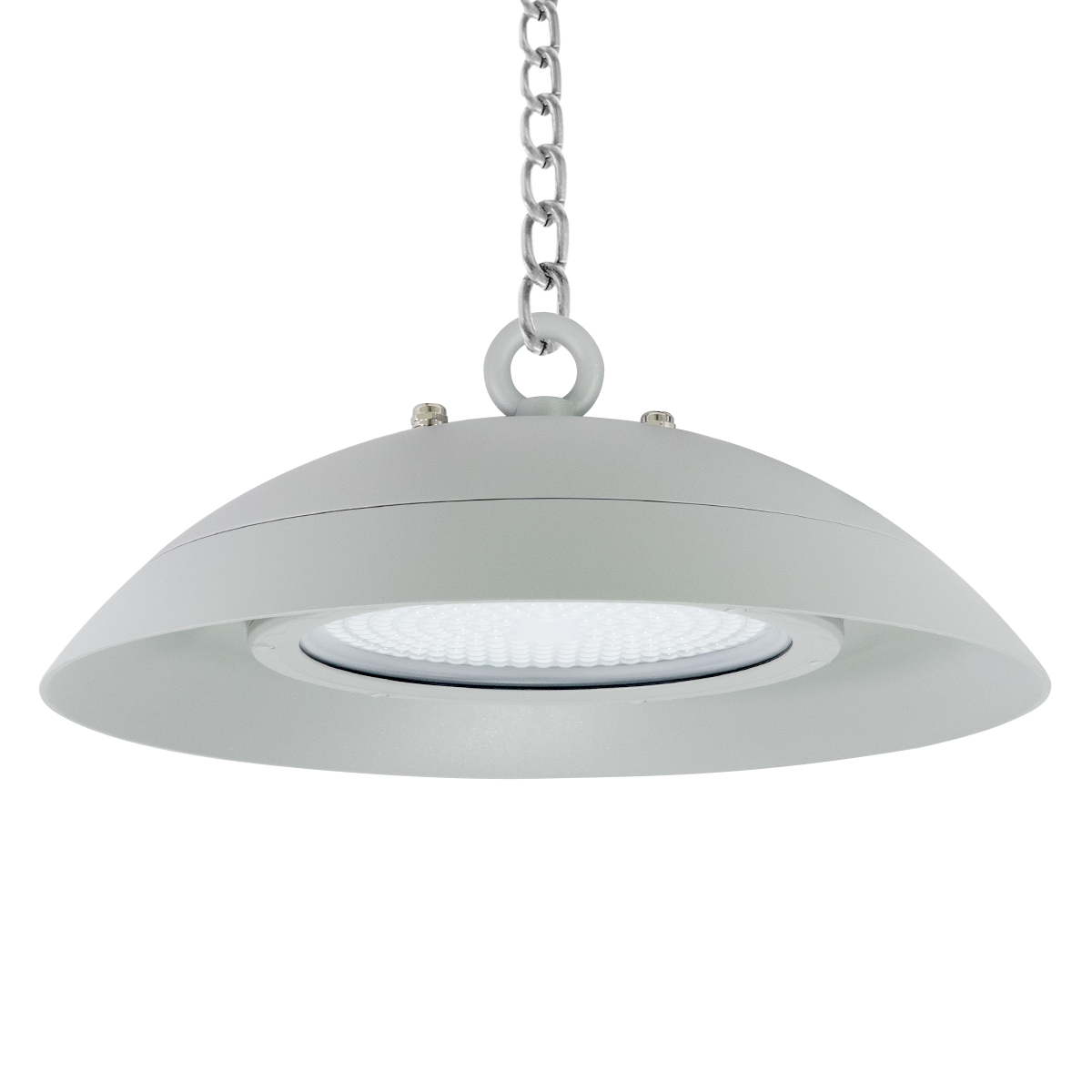
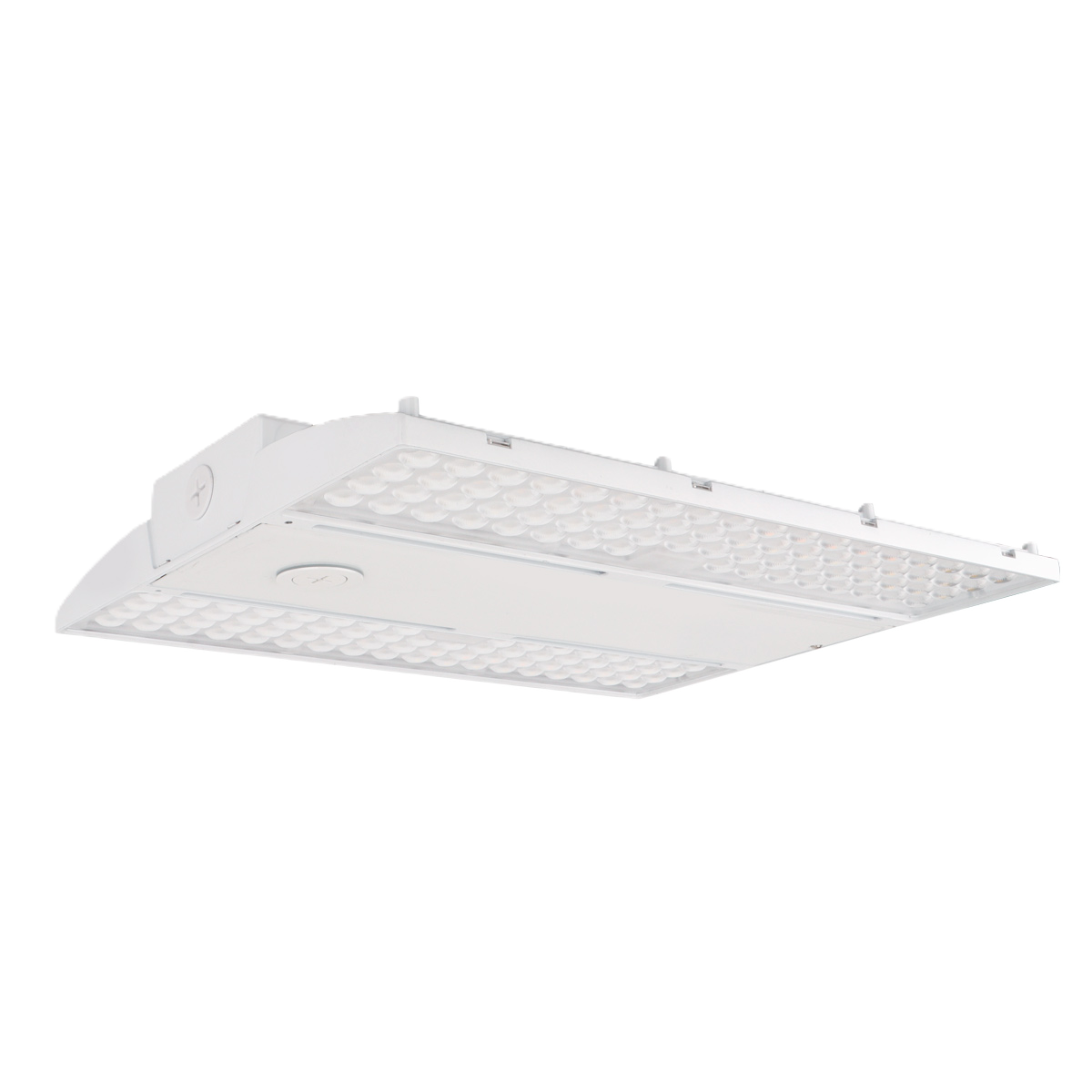
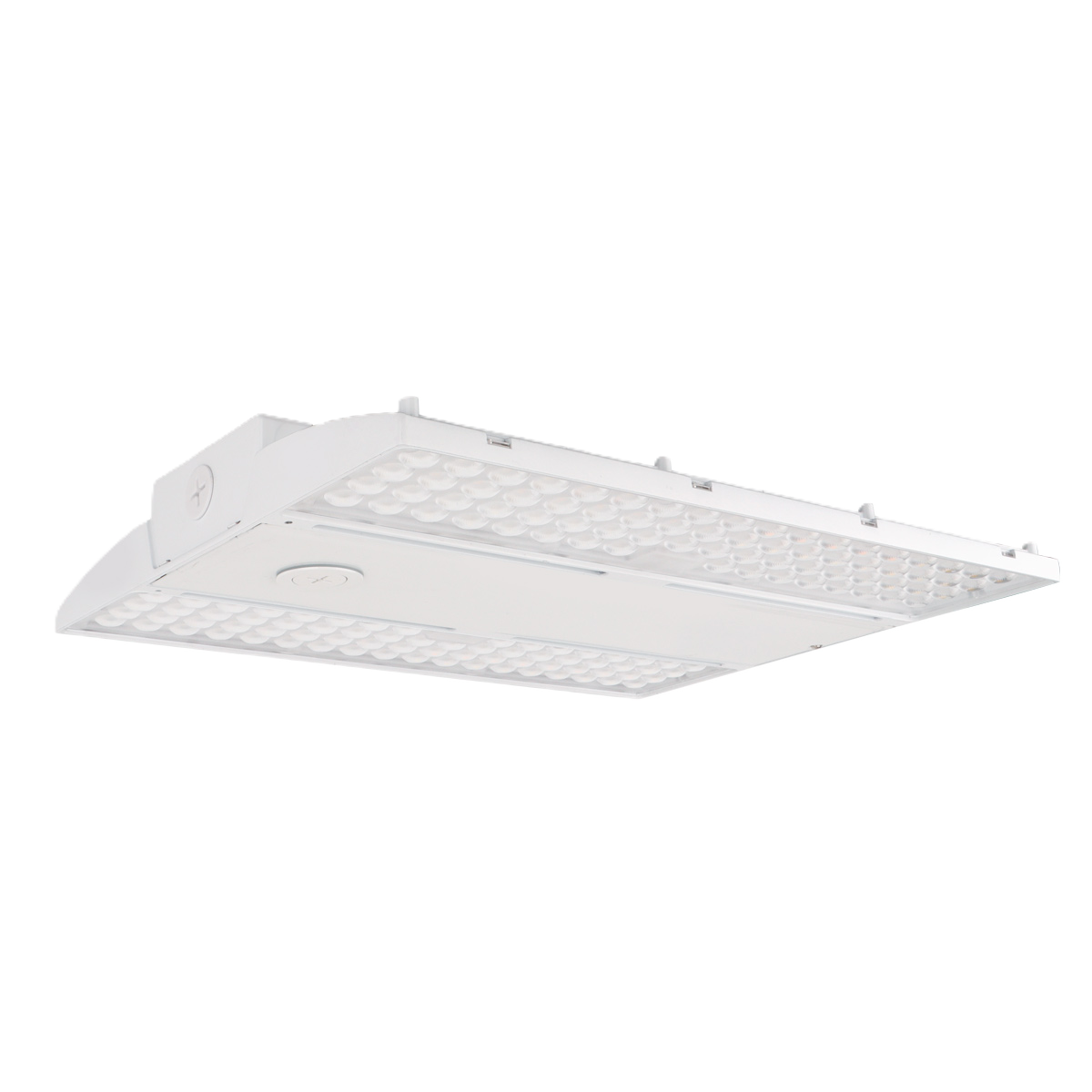
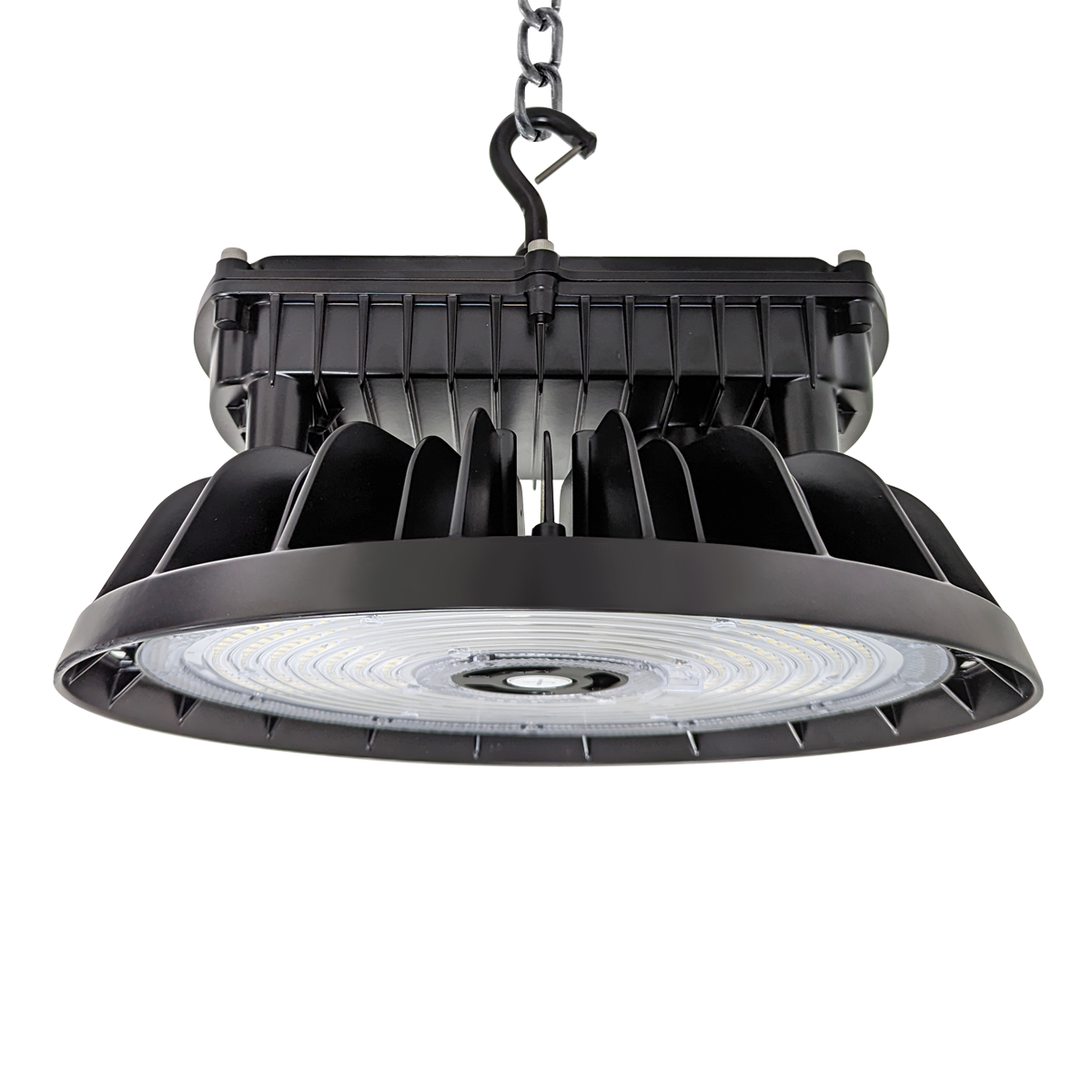
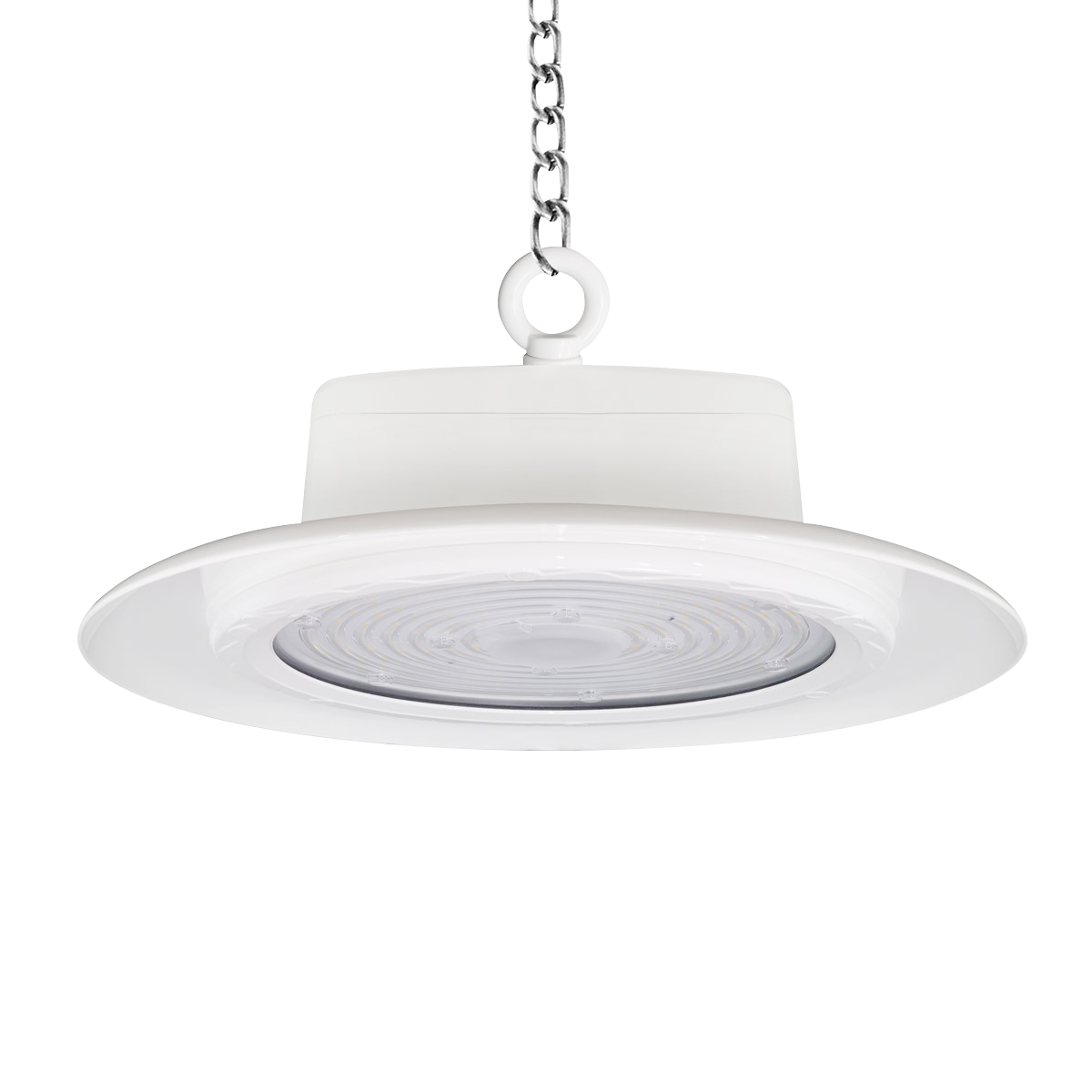
Designed for maximum brightness, longevity, and energy savings in high ceiling applications. Many of these lights include a sensor port for additional lighting control.

High Ceiling Lights FAQ
How bright should high ceiling LED lights be?
The brightness depends on ceiling height and room size:
- 15–20 ft ceilings: 15,000 to 19,000 lumens per fixture.
- 20–30 ft ceilings: 20,000–29,000 lumens per fixture.
- 30-40 ft ceilings: 30,000–39,000 lumens per fixture.
- Over 40 ft: 40,000 lumens & up.
How far apart should high ceiling lights be spaced?
A general rule of thumb for uniform lighting is to space fixtures 1.5x the ceiling height apart. (Example: 20 ft ceiling → lights ~30 ft apart.)
Actual practice will depend on a number of factors:
- Ceiling Height: The higher the ceiling, the wider the spacing can be.
- Beam Angle: Lights with wide beam angles (90& to 120°) can be spaced farther apart. Narrow beam angles provide more focused light and require closer spacing.
- Walls and Floors: Dark colors absorb light, so you will want to space lights more closely. Light and reflective surfaces allow fixtures to be spaced farther apart.
Tip Place your first lights lights half the spacing distance to the wall to avoid shadows. Calculate the rest of your spacing from there.