


Emergency Backup Drivers
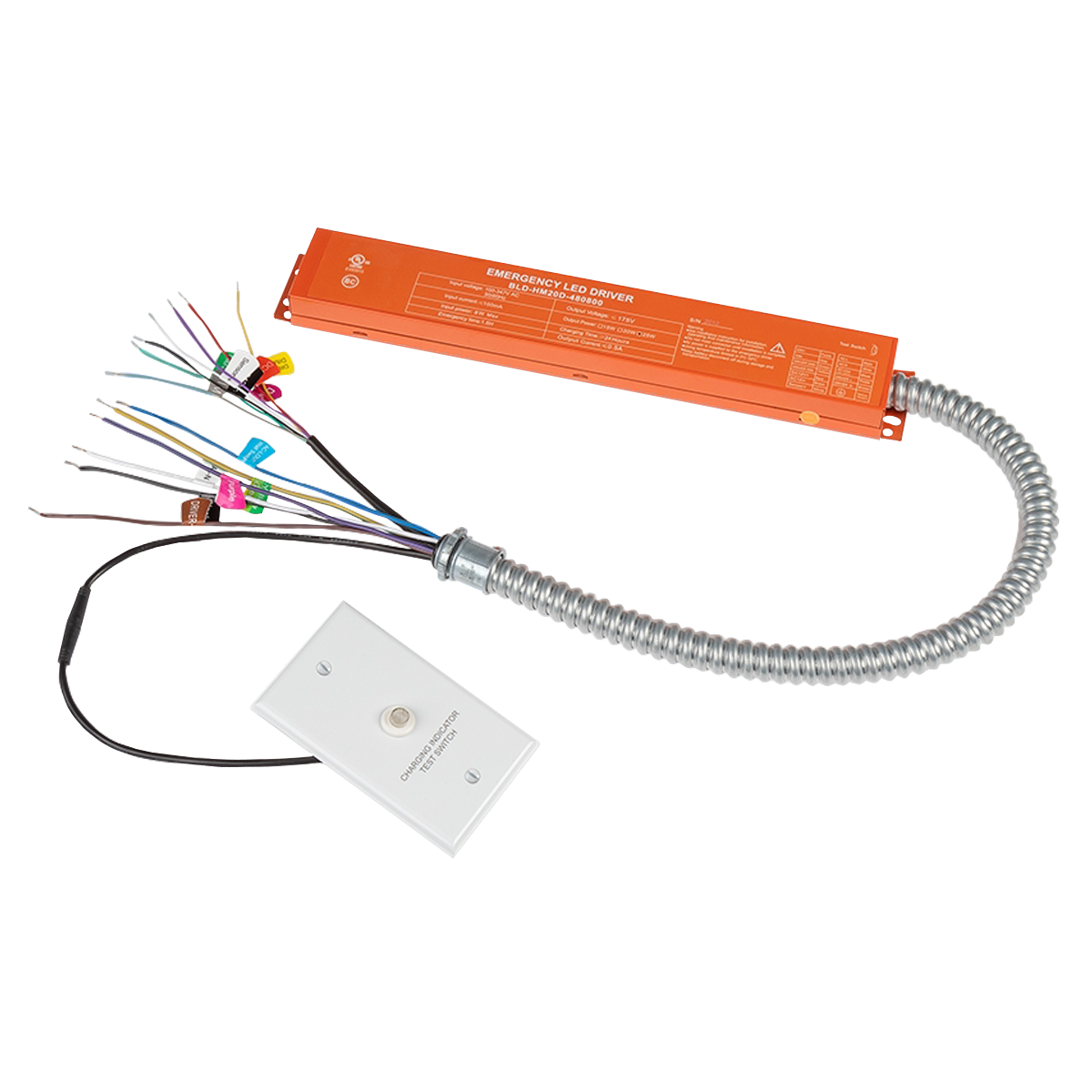
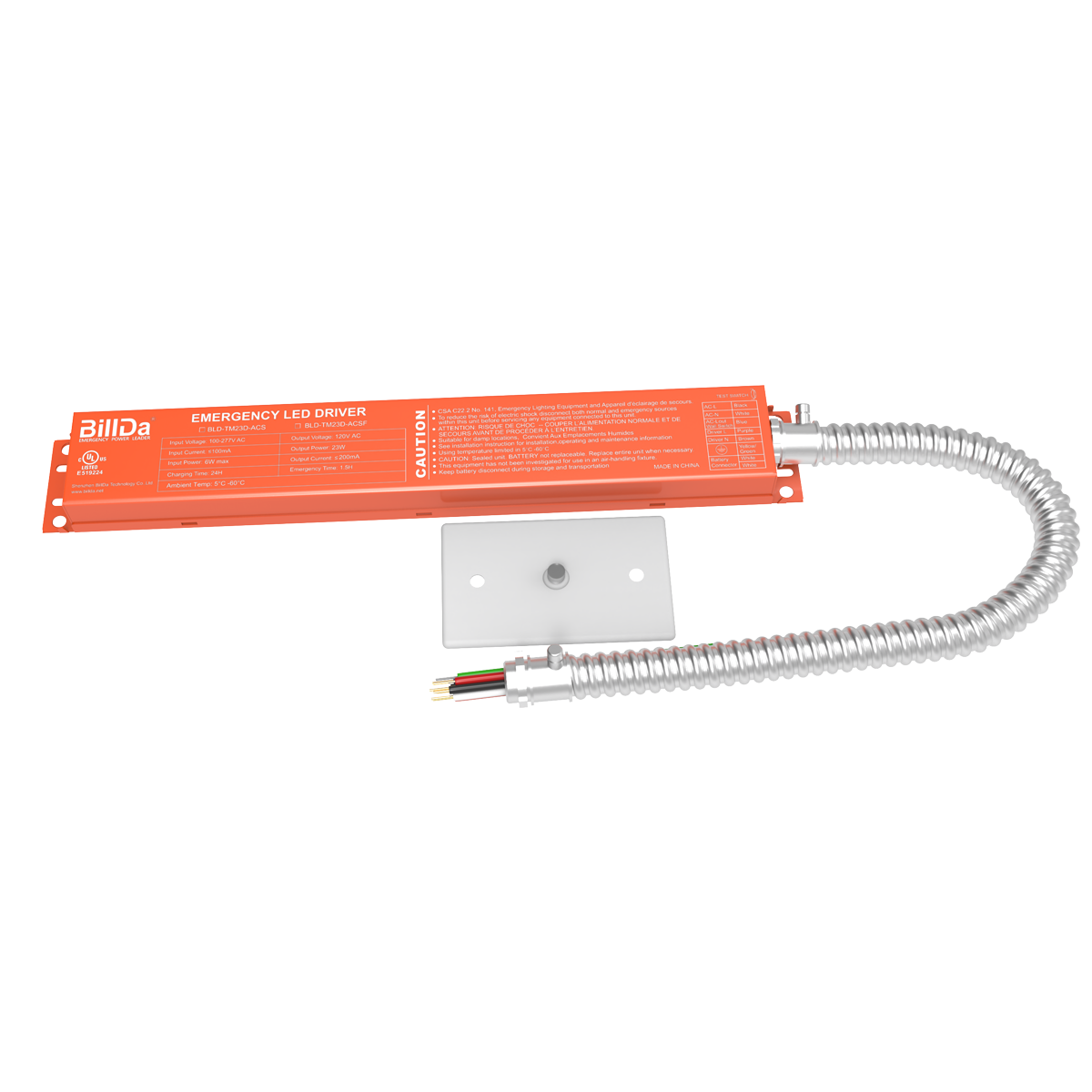
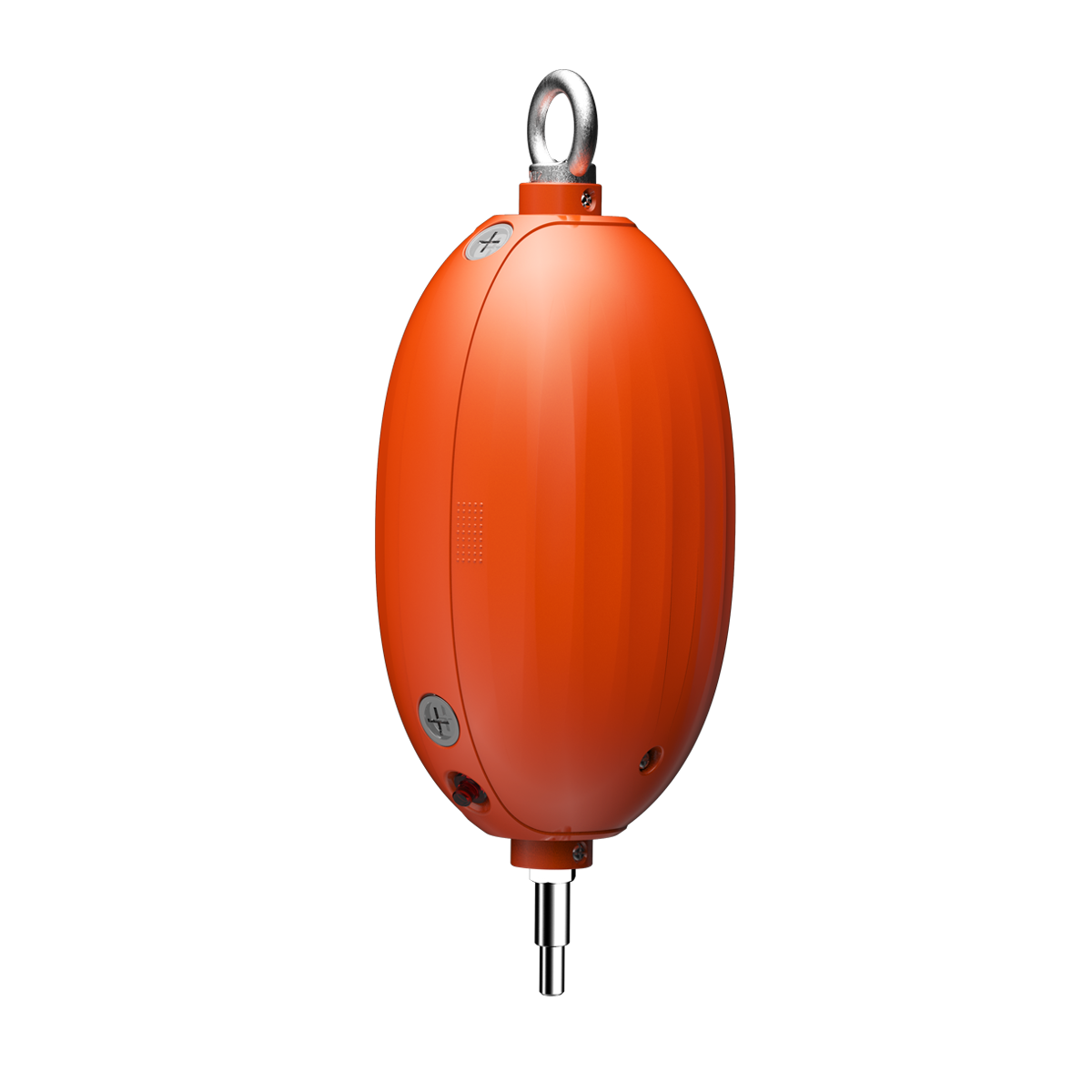
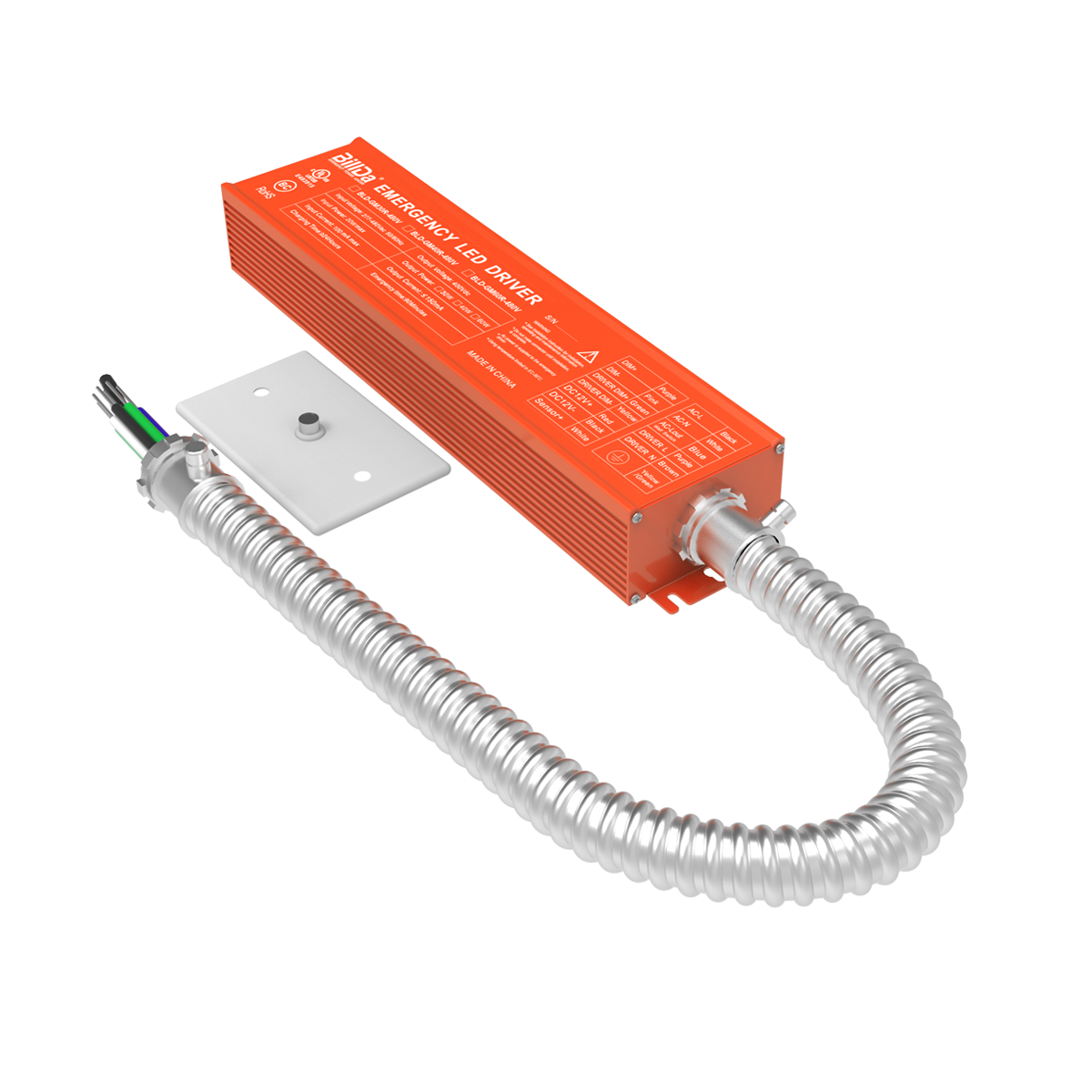
Our emergency backup drivers powers standard LED light fixtures when the main electricity supply is interrupted, ensuring reliable, code-compliant illumination during a power outage. Easily retrofit existing lights or specify for new builds to ensure safety and continuity in any commercial or industrial space.


Common Questions About Emergency Drivers
How is this different from a traditional emergency light?
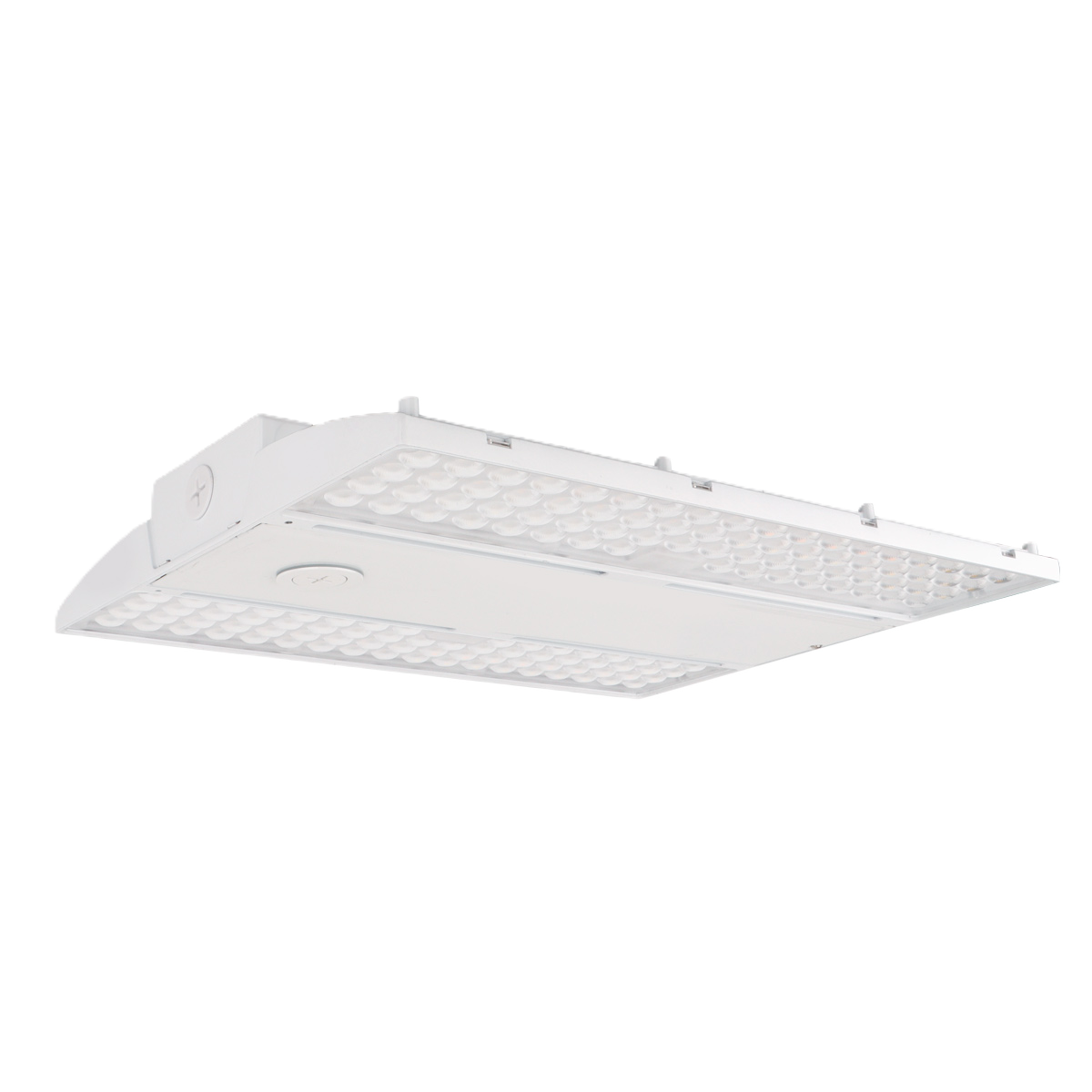
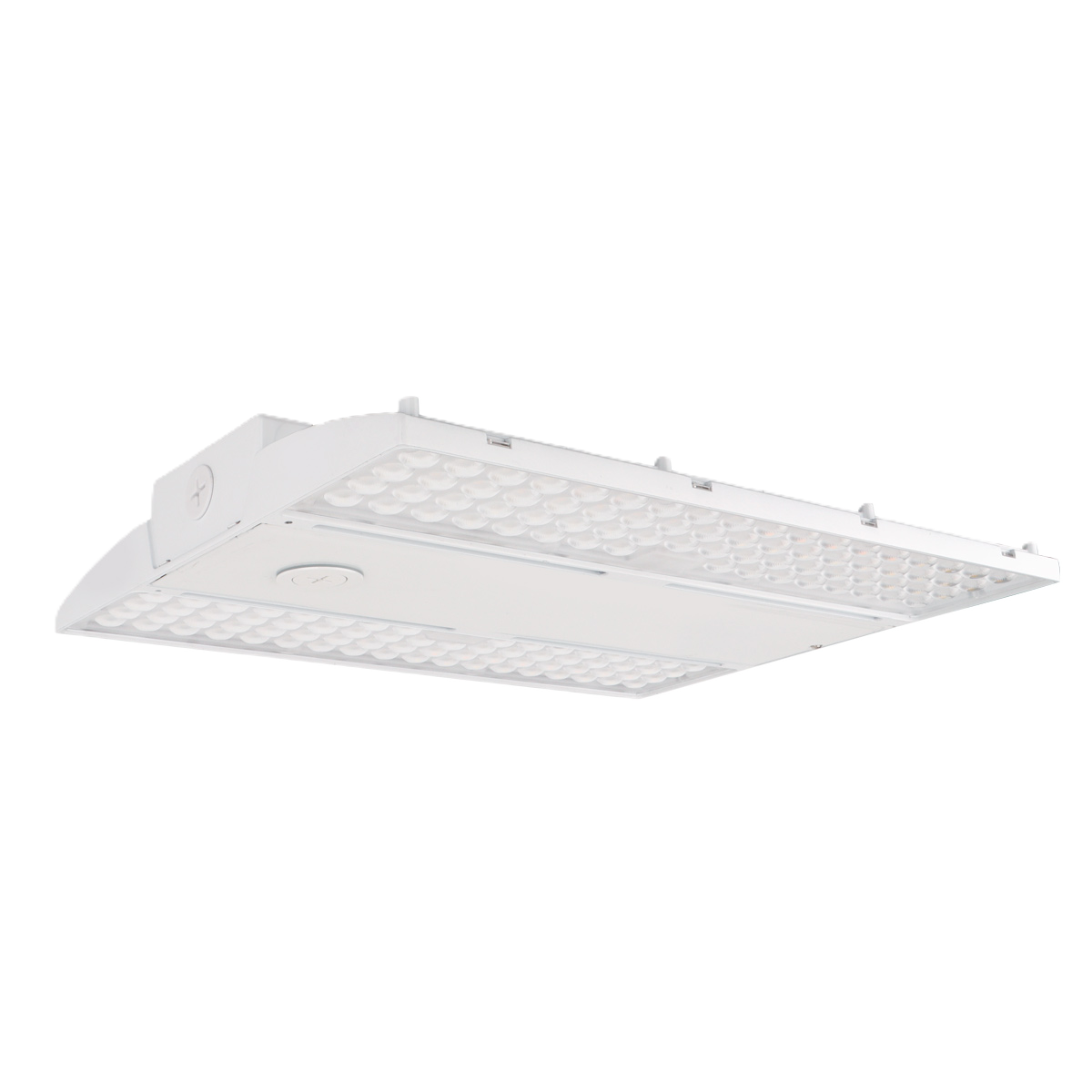
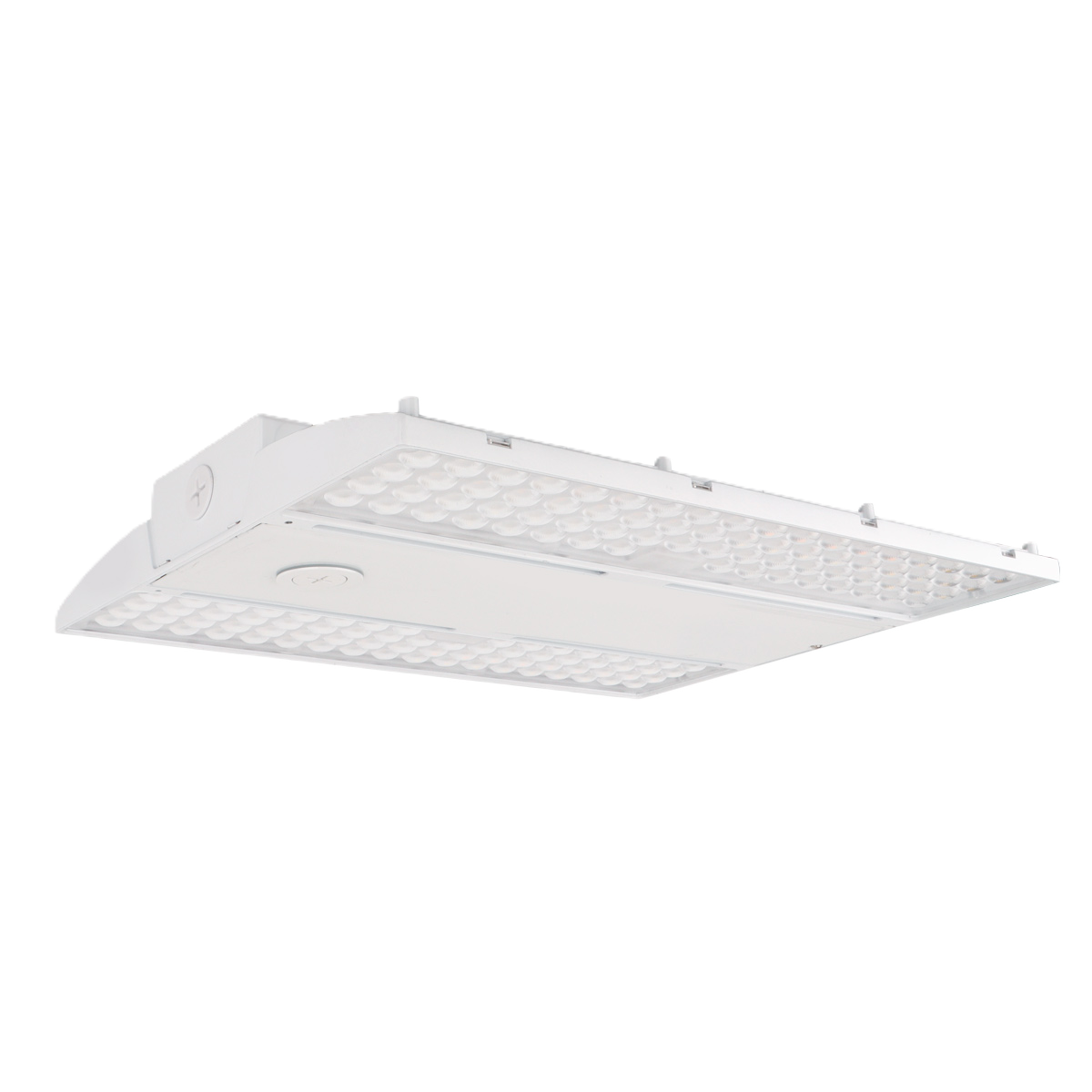
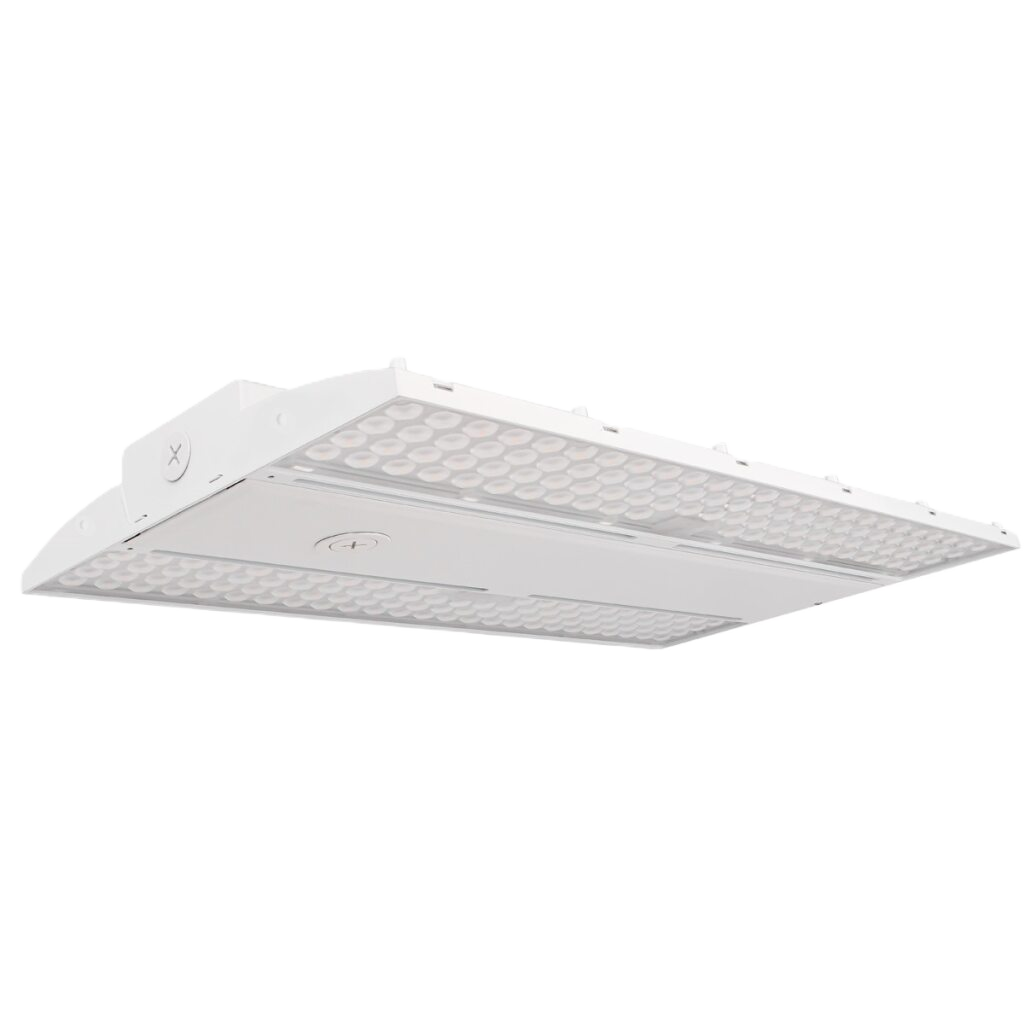
Traditional systems use standalone emergency lights and/or exit signs. An emergency backup driver, on the other hand, integrates directly with your existing general lighting fixtures, like troffers, high bays, or downlights. This turns these primary lights into emergency lights, providing more uniform and widespread illumination along egress paths, which is often a preferred modern approach.
Can I add an emergency backup driver to an existing LED light fixture?
Yes, in most cases. This is a primary purpose of these drivers—to enable easy retrofitting. They are designed to be wired between the fixture's main power source and its primary LED driver. It's crucial to ensure compatibility with the fixture's wattage and voltage. Installation should always be performed by a qualified electrician.
What does "Wattage Compatibility" mean, and why is it important?
Emergency drivers are rated for a specific wattage range (e.g., 20-60W). You must select a driver whose wattage range includes the actual wattage of the LED fixture it will power. Using a driver for a fixture that draws too many watts can cause failure, while one for a fixture that draws too few may not function correctly.
How long does the battery last during an outage?
Emergency lighting codes (like NFPA 101 Life Safety Code) typically require a minimum of 90 minutes of runtime. This provides sufficient time for building evacuation. The driver will power the LED fixture, usually at a reduced output level sufficient for safety, for this required duration.
What does "Self-Diagnostic" or "Self-Testing" mean?
This is a critical feature that simplifies compliance. A self-diagnostic driver automatically runs periodic tests of its battery and circuitry to ensure it will function in an outage. It will often indicate a fault with an LED light, alerting maintenance staff before the system fails. This eliminates the need for manual monthly and annual testing, saving significant time and labor, particularly for hard to reach lights, like high bays.
What maintenance is required?
The battery inside the driver is the primary maintenance item. While lead-acid batteries typically last 3-5 years, lithium-ion batteries can last 7-10 years. Self-testing drivers will alert you when the battery can no longer hold a sufficient charge and needs replacement.