


NSF Certified & ETL Sanitation Mark Lights
Hygienic lighting solutions certified for food processing, pharmaceutical, and cleanroom environments. Engineered to withstand rigorous washdowns, prevent contamination, and ensure compliance.
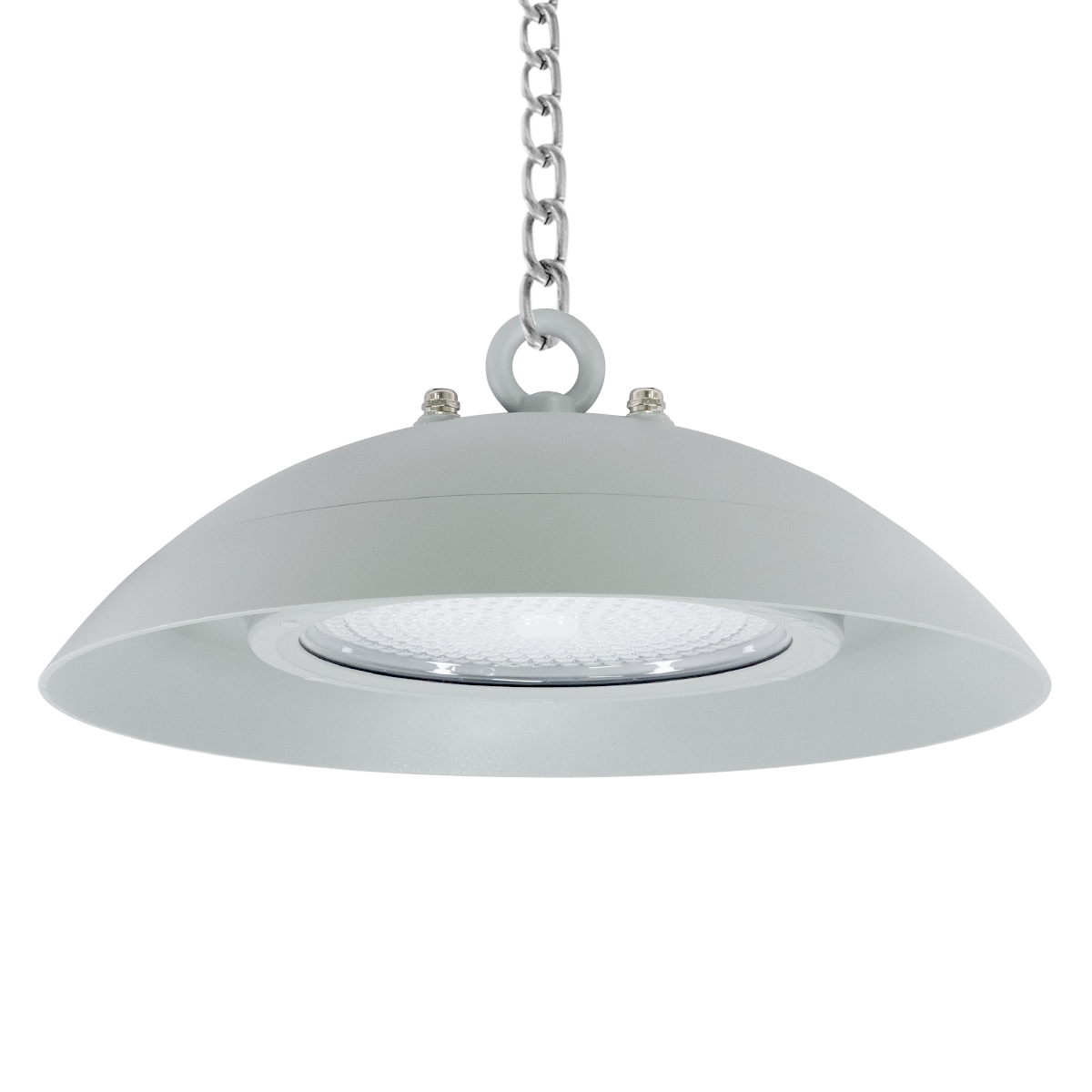
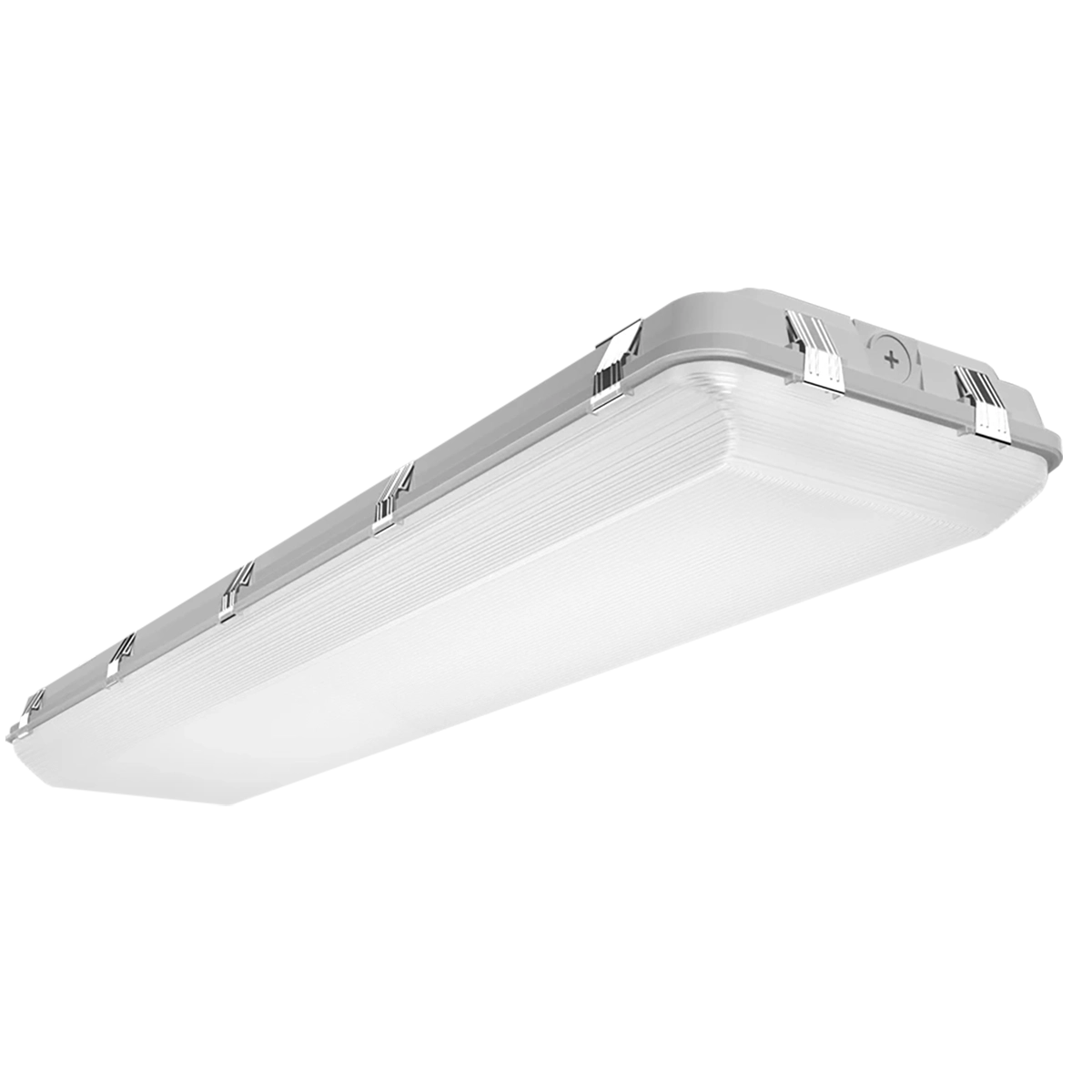
Common Questions About NSF & ETL Sanitation Rated Lights
What does "NSF Certified" mean for a light fixture?
NSF certification means the fixture has been independently tested and verified by NSF International (a public health and safety organization) to meet specific standards for design, construction, and materials. For lighting, this typically means the fixture is designed to be easily cleanable, resistant to corrosion, and will not harbor bacteria, making it suitable for use in food processing, pharmaceutical, and other hygienic environments.
Where are NSF certified lights required?
They are typically required in areas where hygiene is regulated by code or company policy. Common applications include:
- Food and beverage processing plants
- Meat, poultry, and seafood packaging facilities
- Dairy and cheese production areas
- Breweries and wineries
- Pharmaceutical manufacturing and lab spaces
- Commercial kitchens and slaughterhouses
What is the difference between "NSF Certified" and "Sanitation Rated"?
This is a key distinction, and the meaning of "Sanitation Rated" depends on who is providing the rating.
- NSF Certified: This is an official certification from NSF International, an independent, accredited organization. The fixture has been tested to a specific public health standard (like NSF/ANSI 2) to verify its design, materials, and cleanability. It is the most widely recognized and accepted mark for sanitary equipment.
- ETL Sanitation Rated (or "ETL Sanitary Listed"): This is a certification from Intertek's ETL laboratory, which is another Nationally Recognized Testing Laboratory (NRTL), just like UL or NSF. This is a significant step above a manufacturer's self-declared "sanitation rating." An ETL Sanitation Mark means the fixture has been tested by Intertek against a recognized sanitary standard (which may be an NSF standard or Intertek's own similar standard) and is verified to meet those requirements.
- Manufacturer's "Sanitation Rated": This is a manufacturer's claim without third-party verification. The fixture is designed with sanitary intent (smooth surfaces, gaskets), but it has not been tested and certified by an independent lab like NSF or ETL.
For buyers: Always look for a mark from a recognized NRTL (like NSF, ETL, or UL) to ensure the fixture has been independently verified for use in regulated sanitary environments.
How do I properly install these lights to maintain their sanitary rating?
Proper installation is critical. The fixture must be mounted in a way that does not create ledges, gaps, or voids where bacteria can grow. This often involves:
- Mounting directly and flush to a smooth ceiling or conduit.
- Using sanitary mounting brackets designed for easy cleaning.
- Ensuring all seals and gaskets are properly seated during installation. Always follow the manufacturer's installation instructions to preserve the certification.