


Is an LED Retrofit Worth It? How to Evaluate Cost, Performance, and ROI
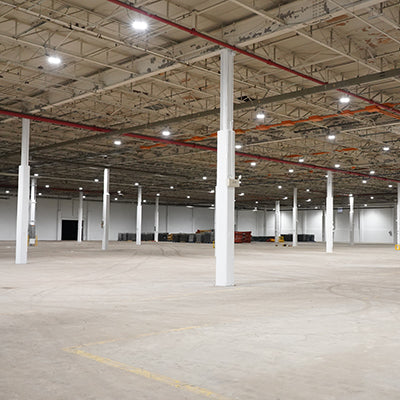 For many commercial facilities, an LED retrofit is worth it—but not in every situation. Determining whether an LED retrofit makes sense depends on operating hours, existing fixture condition, energy and maintenance costs, and long-term plans for the space.
This guide explains when an LED retrofit is worth doing, when it may not be, and how to evaluate cost, performance, and ROI so decisions are based on real operational value rather than assumptions.
This page supports our LED Retrofit Lighting: Complete Guide for Commercial Buildings, which explains retrofit strategies across common fixture types and applications.
Is an LED Retrofit Worth It? (Quick Answer)
An LED retrofit is worth it for many commercial buildings when lights operate long hours, energy and maintenance costs are high, and existing fixtures are in good condition. Facilities with low usage, damaged fixtures, or upcoming layout changes may see better value from full fixture replacement or delaying upgrades.
What Does “LED Retrofit” Mean in Practical Terms?
An LED retrofit upgrades existing lighting fixtures by replacing lamps or internal components with LED technology while keeping the original housing in place. Retrofits are commonly used to upgrade:
- Fluorescent troffers and linear fixtures
- High bay and low bay lighting
- Outdoor HID fixtures such as parking lot lights and wall packs
Retrofits differ from full fixture replacement, which removes the entire existing fixture and installs a new LED luminaire.
When Is an LED Retrofit Worth It for Commercial Buildings?
An LED retrofit is generally worth doing when it delivers measurable improvements in operating cost, lighting performance, or maintenance efficiency without requiring major changes to the existing layout.
The U.S. Department of Energy's Better Buildings program has documented thousands of commercial LED retrofit projects, demonstrating typical payback periods of 1-4 years across various building types and operating conditions.
Retrofits tend to make the most sense when:
- Fixtures operate long hours
- Energy costs are a concern
- Maintenance access is difficult or expensive
- Existing housings are structurally sound
- Utility rebates or incentives are available
When an LED Retrofit Is Not Worth It
An LED retrofit is not always the best investment, and recognizing when it is not worth doing can prevent unnecessary spending.
A retrofit may offer limited value when:
- Fixtures operate very few hours per year
- Existing fixtures are near end-of-life structurally
- Major renovations or layout changes are planned
- Performance goals cannot be met within existing housings
In these cases, delaying upgrades or choosing full replacement may be more practical.
How to Decide If an LED Retrofit Is Worth It for You
Quick Answer: An LED retrofit is worth it when six conditions align: (1) lights operate 8+ hours daily, (2) energy or maintenance costs are high, (3) existing fixture housings are structurally sound, (4) lighting performance needs improvement, (5) utility rebates are available (reducing upfront costs by 30-90%), and (6) payback period is 3 years or less based on combined energy and maintenance savings. Retrofits are NOT worth it when fixtures operate under 2,000 hours/year, housings are damaged, major renovations are planned within 2 years, or replacement would deliver better long-term performance at similar total cost.
When these conditions are present, retrofits often provide strong returns with less disruption than full replacement.
Step 1: Evaluate Your Current Lighting Costs
Before determining whether a retrofit is worth it, it’s important to understand the true cost of your existing lighting system.
Energy Use
Older fluorescent and HID systems typically consume significantly more wattage than LED retrofits. Facilities with long operating hours—such as warehouses, manufacturing plants, and parking structures—tend to see the greatest energy savings.
Maintenance Costs
Legacy lighting often requires:
- Frequent lamp replacements
- Ballast or ignitor failures
- Lift rentals or specialized labor
Even when energy costs seem manageable, maintenance expenses can quietly drive up total cost of ownership.
Step 2: Consider Operating Hours and Usage Patterns
Operating hours strongly influence whether an LED retrofit is worth the investment.
- High-run-hour spaces (12–24 hours/day): Retrofits are often worth it due to faster payback
- Moderate-use spaces (8–12 hours/day): Value depends on maintenance savings and incentives
- Low-use spaces: Retrofit value may be limited unless safety or performance issues exist
The more hours lights operate, the more quickly savings accumulate.
Step 3: Evaluate Light Quality and Performance Issues
LED retrofits are not only about efficiency—they can also address performance problems in existing lighting systems.
Common issues retrofits can improve:
- Uneven illumination or dark zones
- Excessive glare
- Slow warm-up times (HID systems)
- Inconsistent color or flicker
If poor lighting affects safety, productivity, or occupant comfort, these benefits should be factored into the “worth it” decision.
Step 4: LED Retrofit vs Replacement — Which Is Worth It?
In many projects, the real question is not retrofit versus nothing, but retrofit versus full fixture replacement.
LED Retrofits Are Often Worth It When:
- Existing housings are in good condition
- Layout changes are not required
- Faster installation and lower disruption are priorities
- Budget constraints favor reuse of infrastructure
Full Fixture Replacement May Be Worth It When:
- Fixtures are damaged or obsolete
- Existing optics cannot deliver acceptable distribution
- Mounting locations or spacing need to change
- Compliance requirements cannot be met through retrofit
Recognizing this distinction prevents investing in retrofits where replacement would perform better long term.
Step 5: Factor in Utility Rebates and Incentives
Utility rebates can significantly change whether an LED retrofit is worth doing.
Many retrofit projects qualify for incentives because they:
- Replace high-wattage legacy lighting
- Reduce energy demand
- Operate long hours
While rebate availability varies by location and program, incentives often shorten payback periods and improve ROI—especially in large or high-run-hour facilities.
Is an LED Retrofit Worth It Without Rebates?
In many high-run-hour facilities, LED retrofits can still be worth doing without rebates due to ongoing energy and maintenance savings. However, incentives often improve payback and make higher-performance retrofit options more accessible within budget.
Step 6: Estimate Payback and Total Cost of Ownership (TCO)
Rather than focusing only on upfront cost, it’s more useful to evaluate total cost of ownership over time.
Key factors include:
- Energy savings compared to existing lighting
- Maintenance savings from longer LED lifespan
- Reduced downtime and labor
- Potential rebate offsets
In many commercial settings, LED retrofits achieve payback within a few years, after which savings continue to accrue.
The EPA's ENERGY STAR Building Upgrade Manual provides a framework for evaluating energy efficiency upgrades based on total cost of ownership rather than just initial investment, helping facility managers make financially sound retrofit decisions.
How the ELEDLights Team Helps Evaluate Whether a Retrofit Is Worth It
Determining whether an LED retrofit is worth doing often requires balancing technical, financial, and operational factors.
The ELEDLights team can help review existing lighting conditions, operating patterns, and performance goals to determine whether a retrofit, replacement, or alternative approach is the best fit.
Frequently Asked Questions
Is an LED retrofit worth it for commercial buildings?
For many commercial buildings, LED retrofits are worth it when lights operate long hours and existing fixtures are in good condition. Facilities with low usage or planned renovations may see limited benefit.
Are LED retrofits always cheaper than replacement?
Not always. Retrofits typically have lower upfront cost, but replacement may deliver better performance in some situations.
Do LED retrofits improve lighting quality or just efficiency?
When properly selected, LED retrofits can improve both efficiency and light quality, including uniformity and glare control.
Is an LED retrofit worth it without rebates?
In many high-run-hour facilities, yes. Rebates improve economics but are not always required for retrofit value.
Bottom Line: Is an LED Retrofit Worth It?
Bottom line: An LED retrofit is worth it when it reduces operating costs, improves lighting performance, and aligns with the condition and usage of existing fixtures. Evaluating energy savings, maintenance impact, and long-term value together is the most reliable way to determine whether a retrofit makes sense.
Next Steps: Explore LED Retrofit Options
Once you’ve determined whether an LED retrofit is worth doing for your facility, the next step is to review retrofit options based on your existing fixture types and application needs.
- Explore LED fluorescent retrofit solutions for offices, schools, healthcare facilities, and other spaces with existing fluorescent fixtures.
- Explore LED high bay retrofit solutions for warehouses, manufacturing facilities, and other high-ceiling applications.
- Explore LED outdoor retrofit solutions for parking lots, building exteriors, and site lighting.
If you’re unsure which retrofit category applies to your space, reviewing fixture type, mounting height, and operating conditions can help narrow the best options, or you can get guidance on retrofit options for your property: Call or text 858.650.9400 or email lights@eledlights.com.